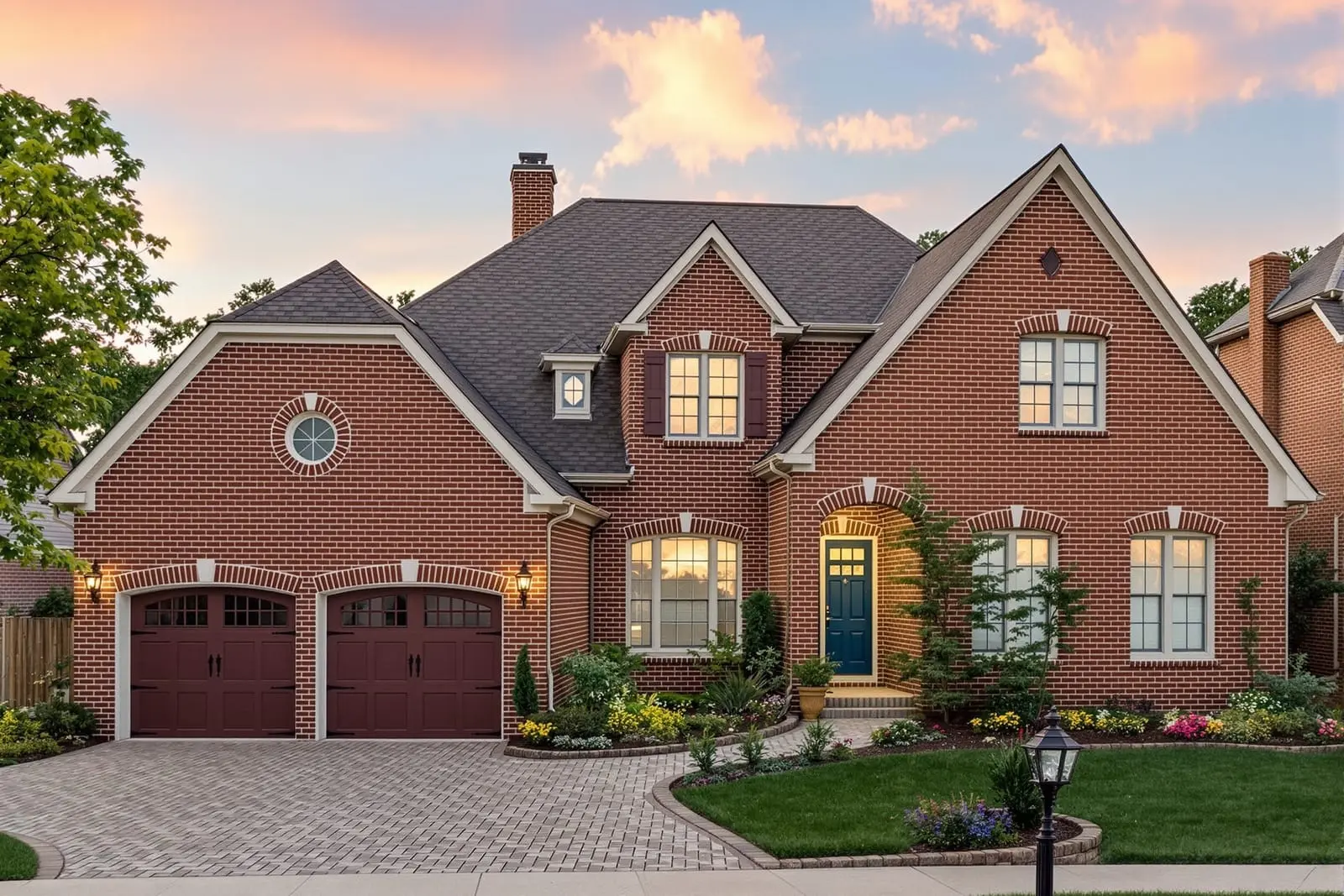
Reliable, professional brick masonry in Pittsburgh, PA from Vanguard Masonry Pittsburgh. Contact us today for a free on-site estimate.
Vanguard Masonry Pittsburgh provides professional brick masonry throughout Pittsburgh, PA and the surrounding area. Our licensed, insured crew delivers safe, clean, on-time work with a free estimate before anything begins. Call (412) 784-6404 or request your free quote.
Brick Masonry Expertise in Pittsburgh’s Climate
Vanguard Masonry Pittsburgh focuses on brick masonry that is built for the way Pittsburgh actually lives and weathers. From freeze-thaw cycles on Mt. Washington to river moisture in the Strip District, we design and build brick structures that handle real local conditions, not just textbook scenarios.
In Pittsburgh, brick fails early when the wrong brick type or mortar is used. We assess your site conditions first. For exterior work we lean toward durable, low-absorption clay brick and mortar mixes tailored to handle constant freeze-thaw cycles. For historic homes in neighborhoods like Lawrenceville or Shadyside, we match existing brick size and color so repairs and additions do not stand out as new patches.
Every brick masonry project begins with a walk-through on site. We look at drainage patterns, existing foundation condition, exposure to de-icing salts, and how snow tends to accumulate on and around your structure. This information drives our recommendations on brick type, footing depth, flashing details, and whether additional waterproofing is warranted. Vanguard Masonry Pittsburgh does not treat brick as decoration only. We build it as part of a complete structural and moisture-control system.
How Our Brick Masonry Process Works
A successful brick job in Pittsburgh starts in the planning phase, not the first day of laying units. After our initial consultation, we create a scope that includes layout, structural needs, material selection, and any required coordination with your municipality or HOA.
Site preparation usually includes excavation, compacted gravel, and forming of footings for walls or exterior brick features. In most cases we pour reinforced concrete footings below frost line to prevent heaving during winter. Once the base cures, we snap chalk lines to define layout and use leveling instruments to ensure plumb and true starting courses.
Brick laying begins at the corners, built up first as reference points. We use mason lines between corner leads so every course runs straight and consistent. Mortar joints are typically 3/8 inch and we adjust for bond pattern, such as running bond, Flemish bond, or stacked bond, depending on structure type and appearance goals.
During installation, we manage head and bed joints carefully with proper tooling to shed water and reduce absorption. On exterior walls, we integrate through-wall flashing, weep holes, and control joints where needed so moisture that gets behind the brick can exit safely instead of freezing inside the wall. At the end, we clean the brick with methods that do not damage the face, typically low-pressure rinsing and masonry-safe cleaners rather than aggressive power washing.
Brick Options, Patterns, and Design Details
Vanguard Masonry Pittsburgh helps you navigate the real design choices that affect performance and cost for brick masonry. Not all brick is created equal and not every pattern fits every structure.
For color and texture, you can choose from smooth, wire-cut, tumbled, or reclaimed-look brick, with tones that range from classic Pittsburgh red to charcoal or buff blends. We help you see how those colors will look against typical local roofing and siding choices, especially if nearby houses in your neighborhood set a visual standard.
Bond patterns influence both aesthetics and strength. Running bond is common for walls and veneers, while stack bond offers a modern look but usually requires added structural support. For structural garden walls or retaining features, we might recommend a combination of running bond with header courses to improve stability. Accent details such as soldier courses above window heads, rowlock caps on garden walls, and recessed or projecting courses can break up flat surfaces and give a custom look without a large cost increase.
Joint profiles matter as well. Tooled concave joints are popular in Pittsburgh because they compact the mortar and shed water efficiently, important in our freeze-thaw climate. Flush or raked joints create a different visual feel but may require more vigilant maintenance depending on exposure. We review these options with you using real samples before any brick is set in mortar.
Understanding Costs for Brick Masonry in Pittsburgh
Brick masonry pricing is driven by more than square footage. Vanguard Masonry Pittsburgh explains costs upfront so you know where your budget is actually going.
Key factors include the condition of the existing structure, access to the work area, required footings or support, type and grade of brick, and complexity of pattern or detailing. For example, building a straight, single-height garden wall along a level backyard in Greenfield will be less per linear foot than constructing a terraced, multi-level brick wall on a steep Squirrel Hill slope that needs engineering and extra drainage.
Material selection has a real impact. High-end handmade or imported brick and custom color blends cost more per unit than standard modular brick. Complex bond patterns, arched openings, and extensive corner work add labor hours. If we are tying new brick into old, there may be additional steps like tooth-out work, reinforcing ties, and custom mortar tinting.
Site-specific conditions in Pittsburgh also matter. Tight city lots can require more manual material handling and less equipment access. Older homes may need brick veneer ties upgraded or wood framing repaired before new brick is installed. Vanguard Masonry Pittsburgh builds all of these realities into your estimate and provides options to phase or adjust scope when needed.
Common Brick Masonry Problems We See Locally
Pittsburgh’s climate is tough on brick, and we see several recurring issues on homes and small commercial buildings. Understanding these helps you catch problems early and choose better solutions.
One of the most common failures is spalling brick faces, where the front of the brick breaks off in layers. This is frequently caused by moisture getting into the brick and then freezing, often made worse by the wrong type of brick used near grade or by improper sealing that traps water. Another issue is deteriorating mortar joints, also called tuckpointing needs. Mortar that has become sandy, cracked, or recessed invites more water into the wall.
We also encounter structural problems such as leaning garden walls, bowing brick veneers, and cracking over window or door openings. Often, the root cause is insufficient support, missing or rusted lintels, or lack of proper drainage behind the brick. Salt damage from winter de-icing can accelerate deterioration near walkways, driveways, and stoops.
When Vanguard Masonry Pittsburgh evaluates your brick, we look for these patterns of failure. We test mortar hardness, check for loose or hollow-sounding units, inspect flashing and weeps, and assess any movement cracks. Solutions might range from spot brick replacement and tuckpointing to partial wall reconstruction with new support steel and drainage detailing. We focus on addressing the cause, not only the visible symptom.
Permits, Codes, and Inspections in the Pittsburgh Area
For many brick masonry projects in Pittsburgh, especially new walls, additions, or structural changes, permits are part of the process. Vanguard Masonry Pittsburgh helps you navigate what is needed so your project is not delayed unnecessarily.
Within the City of Pittsburgh, masonry retaining walls over a certain height typically require permits and may need an engineer’s design, especially if they support a driveway, building, or neighboring property. New structural brick walls, chimneys, or significant alterations to exterior masonry can trigger review for code compliance and sometimes zoning review if they affect setbacks.
In surrounding municipalities in Allegheny County, requirements vary. Some townships are more lenient for smaller landscape walls, while others enforce strict rules for anything that changes site drainage or slope stability. For homes in historic districts, exterior brick work might need approval from an architectural review board to ensure it matches established character.
We coordinate with you and, when necessary, with your architect or engineer to ensure that designs and brick masonry details meet International Residential Code and local amendments. Proper documentation and code-compliant installation protect you if you later sell your property or face an insurance claim.
What to Expect When You Hire Vanguard Masonry Pittsburgh
Working with Vanguard Masonry Pittsburgh means your brick masonry project is managed from first conversation through final cleanup. After our initial assessment and estimate, we schedule work in a way that respects weather windows, since mortar performance can suffer in extreme cold or heat. During winter, we use cold-weather masonry practices, such as tenting, heated water for mixing, and protection blankets when required.
On site, we protect adjacent landscaping, siding, and walkways with coverings and controlled access paths. Our crew sets up proper scaffolding and safety measures that fit tight urban lots as well as open suburban yards. Throughout the job, we communicate daily or as often as you prefer so you know what has been completed and what is next.
At completion, we perform a walk-through with you, pointing out joints, drainage details, and any maintenance considerations particular to your project. We discuss realistic care steps, such as when to avoid power washing, where snow piling could cause future moisture problems, and how often to have masonry inspected. Our goal is brick masonry that looks right in your Pittsburgh neighborhood, performs through harsh winters, and adds real, lasting value to your property.
“
Professional brick masonry, done right the first time, quality materials, honest pricing, and results that last.