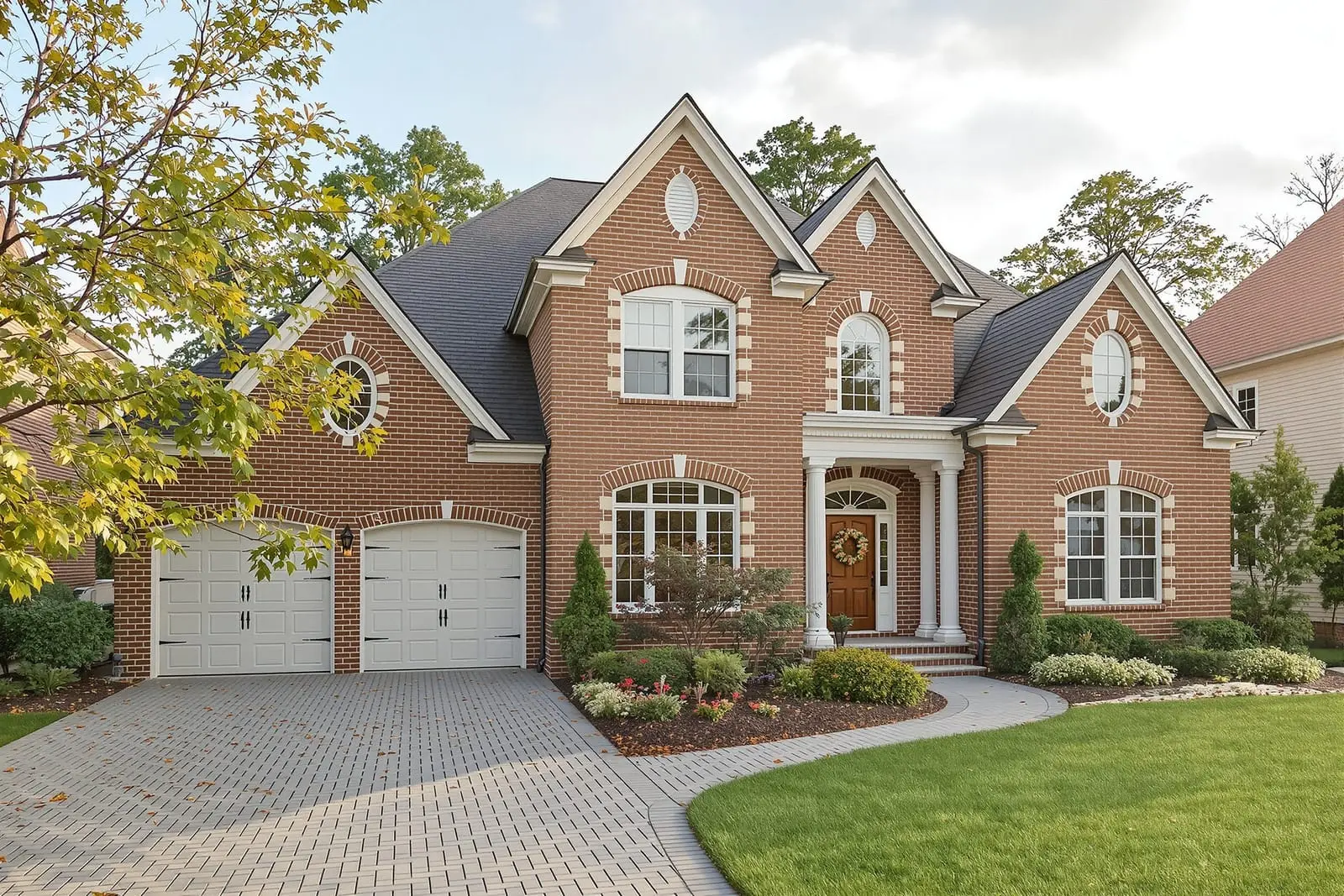
We handle all types of masonry repair in Pittsburgh, PA, from hairline cracks to major structural issues. Our team assesses the cause of damage, then repairs or replaces brick, stone, and mortar to stabilize your structure. Restoration services preserve original character while improving performance and safety.
Vanguard Masonry Pittsburgh provides professional masonry repair throughout Pittsburgh, PA and the surrounding area. Our licensed, insured crew delivers safe, clean, on-time work with a free estimate before anything begins. Call (412) 784-6404 or request your free quote.
Masonry repair in Pittsburgh that actually fixes the problem, not just the crack
If you live in or around Pittsburgh, you already know what our weather does to brick and block. Freeze-thaw cycles, older mortar, steep hillsides, and sometimes poor drainage all team up to cause cracks, leaning walls, and crumbling joints. At Vanguard Masonry Pittsburgh, our masonry repair and restoration work starts with figuring out why the damage happened in the first place, not just patching what you can see.
On a typical visit, we start with a detailed walk-around of your home or building. We look at how water moves across the property, where downspouts discharge, whether the foundation is settling, and how old the existing brick or stone is. We check for bulging walls, stair-step cracks in mortar joints, loose or flaking bricks, efflorescence (white powder on the surface), and soft or missing mortar. For chimneys, we look closely at the crown, flashing, and how solid the top courses of brick are, since those take the worst of the ice and wind in Pittsburgh winters.
From there, we separate cosmetic issues from structural concerns. Hairline surface cracks that are not moving might simply need tuckpointing and sealing. Wider cracks, bricks that move when pressed, or leaning sections of wall usually point to foundation movement or water problems. We will explain what is urgent, what should be planned soon, and what is mostly aesthetic, so you can prioritize your budget without guesswork.
Step-by-step: how we repair and restore brick, block, and stone
Masonry repair and restoration is not one single service. It is a series of specific tasks, chosen to match the age, style, and condition of your structure. Here is how Vanguard Masonry Pittsburgh typically approaches the work.
First, we carefully remove failed material. For tuckpointing, that means grinding or chiseling out deteriorated mortar to a proper depth, usually about 2 to 2.5 times the width of the mortar joint. We do this with dust collection as much as possible, to keep your home and landscaping cleaner. For damaged bricks or blocks, we cut out the full unit instead of skimming over it. Patching crumbling brick on the surface might look better for a few months but will not last through a Pittsburgh winter.
Next, we select replacement mortar and materials to match. On older Pittsburgh homes, especially pre-1940 brick, we often use softer, lime-rich mortar so the brick does not get damaged by a too-hard, modern mix. For newer homes, Type N or Type S mortar may be appropriate, depending on whether we are working above or below grade. We match color and joint profile as closely as possible so repaired areas blend in rather than standing out as bright, new stripes.
Then we rebuild and repoint. New bricks or blocks are laid level and plumb, with full, solid joints. Mortar joints are compacted and tooled to the existing style, such as concave, vee, or flush. On stone foundations and retaining walls, we reshape and reset loose stones, then pack the joints firmly, which is especially important where the structure is holding back hillside soil, something we see a lot throughout Pittsburgh neighborhoods.
Once the physical repair is complete, we often recommend a breathable water repellent, especially on chimneys and exposed brick walls. We use sealers that allow vapor to escape so moisture does not get trapped inside the masonry, which is a common problem when the wrong product is used. Where needed, we also address related items like flashing at chimneys, crowns, or caps on top of walls, since masonry will fail again quickly if water entry points are ignored.
Common Pittsburgh masonry problems and how we fix each one
Certain masonry repair issues show up over and over again in the Pittsburgh area, but the right fix depends on what we find on site. Vanguard Masonry Pittsburgh sees a few patterns.
Chimney deterioration is one of the biggest. Bricks at the top often spall (flake and break apart), mortar joints open up, and crowns crack, allowing water right into the flue area and the interior of your home. In many cases, we remove several courses of damaged brick at the top, rebuild them with new units, pour or form a reinforced concrete crown with proper overhang, and reflash the base where it meets the roof. For less severe damage, we may grind and tuckpoint the joints, then apply a crown repair material and a chimney-specific water repellent.
Basement and foundation walls in older Pittsburgh homes, especially stone or block, frequently show efflorescence, damp spots, or crumbling joints. Here, we clean off loose material, repoint the joints with an appropriate mortar, repair any cracks with structural epoxy or injection where suitable, and talk through drainage improvements outside, such as moving downspout discharge away from the wall or adjusting grading so water flows away from the foundation.
Exterior brick walls and steps often develop settlement cracks and loose treads, particularly on sloped lots and near heavily used entrances. We inspect the underlying concrete or block structure, then decide whether localized repairs are enough or if sections need to be rebuilt. For steps, this might mean relaying loose brick treads, resetting stone, or recasting damaged concrete elements, then addressing handrail anchoring so the repair stays solid.
Finally, retaining walls are a big concern on Pittsburgh hillsides. Bowed or leaning walls, bulging sections, and open joints tell us that pressure from soil and water has outgrown the wall. Depending on the severity, we may rebuild with better drainage and gravel backfill, install weep holes, or in lighter cases, repoint and reset stones while improving surface drainage above. We will always explain where masonry repair is practical and where you are better off rebuilding instead of continuously patching.
What affects cost and timeline for masonry repair
No two masonry repair projects are identical, but there are clear factors that affect price and timing. Vanguard Masonry Pittsburgh is upfront about these so you can plan without surprises.
Accessibility is a major driver. Chimneys that require full scaffolding, tight side yards, and very high walls require more setup time and safety measures than a simple waist-high garden wall. The more equipment and labor needed just to reach the work area, the higher that portion of the cost will be.
Extent of damage matters just as much. Grinding and tuckpointing a small section of a chimney is very different from repointing an entire side of a house or rebuilding a collapsed corner. As a rule, scattered spot repairs cost more per square foot than larger, continuous areas, because there is more setup and cleanup for each small location.
Material matching can affect both price and lead time. If your home has unusual brick or custom stone, we may need to source close matches from regional suppliers. This is especially common for older Pittsburgh neighborhoods where the original brick is no longer manufactured. We will let you know what is readily available, what can be specially ordered, and what compromise options exist if an exact match is not practical.
Season and weather also play a role. Mortar and many sealers have minimum temperature and curing requirements. In cold months, we may need to schedule work during warmer daytime windows, tent and heat small areas, or split a project into multiple visits to allow for proper curing. That can impact how long the project takes from start to finish.
During your estimate, we walk through these factors in plain language. We break down what is included, where you might have options to phase the work, and which items are truly time-sensitive. Our goal is that you never feel surprised when you see the final invoice compared with the original proposal.
What Pittsburgh homeowners should look for in a masonry repair contractor
Before you hire anyone to work on your brick, block, or stone, there are a few specific things you should ask about. At Vanguard Masonry Pittsburgh, we encourage you to compare, because good questions help you find a contractor who will do the job correctly the first time.
Ask how they match mortar type and color. For older brick homes, a contractor who uses one generic bagged mortar on every job can accidentally damage your masonry over time. You want someone who will look at the age of your home, test or closely inspect the existing mortar, and explain which mix they plan to use and why.
Find out how they handle dust and cleanup. Masonry repair often involves grinding, cutting, and chipping. We use dust control tools, protect nearby surfaces, and clean up daily, not just at the end of the job. You should expect your walkways to remain usable and your landscaping to be respected while the work is going on.
Ask for local examples of similar repairs. In Pittsburgh, that might mean another brick chimney in your neighborhood, a stone foundation repair in a similar age home, or a retaining wall on a similar slope. We are always happy to point to projects that resemble what you need, so you can see how the final result should look.
Finally, talk about long term care. A good masonry repair contractor will tell you how to maintain the work, what kind of lifespan to expect, and which warning signs mean you should call them back for a checkup. We like to leave you with clear instructions, such as when to reseal exposed brick, how to keep water away from a repaired foundation, and what cracks are normal hairlines versus signs of movement.
If you want straightforward answers, clear pricing, and repairs that respect the character of Pittsburgh homes, Vanguard Masonry Pittsburgh is ready to take a look at your brick, block, stone, or chimney and put together a repair and restoration plan tailored to your property.
“
Professional masonry repair and restoration, done right the first time, quality materials, honest pricing, and results that last.
Vanguard Masonry Pittsburgh
Masonry Repair and Restoration Across Our Service Area