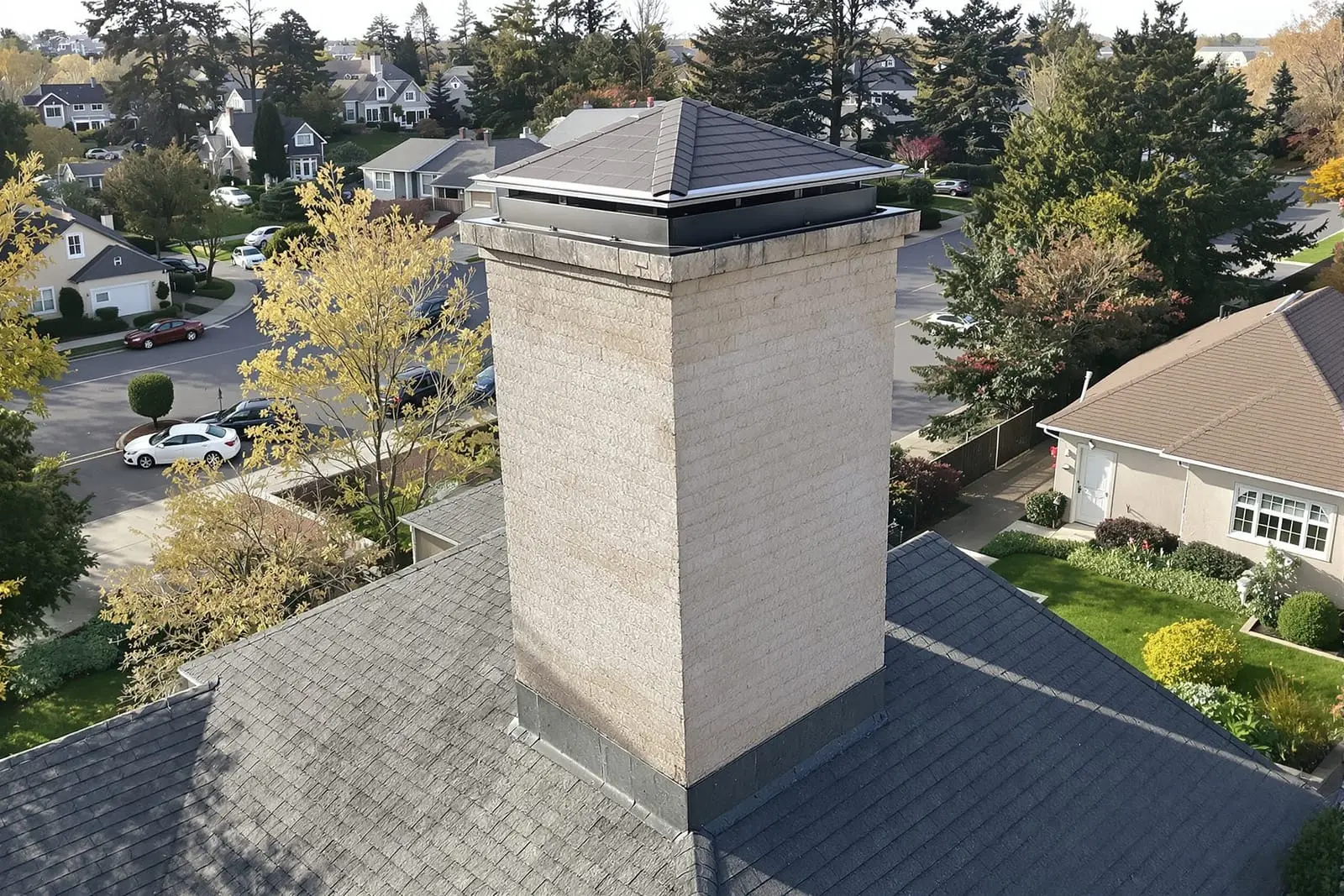
We perform commercial chimney and smokestack repair in Pittsburgh, PA for boiler stacks, restaurant flues, and industrial systems. Services include brick and block rebuilding, liner replacement, crown repair, and stabilization. Our team works safely at height to restore proper draft and structural integrity.
Vanguard Masonry Pittsburgh provides professional commercial chimney repair throughout Pittsburgh, PA and the surrounding area. Our licensed, insured crew delivers safe, clean, on-time work with a free estimate before anything begins. Call (412) 784-6404 or request your free quote.
Commercial Chimney & Smokestack Repair for Pittsburgh Facilities
Vanguard Masonry Pittsburgh specializes in commercial chimney and smokestack repair for industrial sites, institutions, and large multi‑unit buildings throughout the Pittsburgh area. We understand that your chimney or stack is not just another piece of masonry. It is tied directly to safety, code compliance, and your ability to operate without interruption.
Our team is used to working on boilers and exhaust systems in hospitals, schools, universities, manufacturing plants, laundries, restaurants with shared flues, and older mill buildings that have been converted to commercial use. Many of these structures in Pittsburgh date back 50 to 100 years, so our work often involves carefully integrating repairs into historic brick and stone while meeting modern NFPA and local mechanical code requirements.
From a small breach in a rooftop chimney to a 100‑foot masonry smokestack with spalling brick and failing liners, we approach each project with a clear plan. We start by stabilizing unsafe areas, then design repairs that keep your system venting properly while protecting the surrounding roof structure, equipment, and people below. Our goal is always to extend the life of your existing chimney or stack whenever it is safe and cost effective to do so, and to be honest with you when replacement is the better option.
Common Commercial Chimney & Smokestack Problems in Pittsburgh
Our Pittsburgh climate is hard on exterior masonry. Freeze‑thaw cycles, industrial emissions, and rooftop ponding all speed up deterioration. The most common commercial chimney and smokestack issues we see include:
• Spalling and loose brick: Bricks on the windward or sun‑exposed sides pop and flake due to moisture and temperature swings, especially on older mill and institutional chimneys around the rivers.
• Failing mortar joints: Mortar washes out or cracks, opening pathways for water intrusion. This often starts on the crown or at metal flashing joints and works its way down.
• Compromised flue liners: Clay liners can crack from thermal shock or impact during past equipment changes. Metal liners corrode from acidic exhaust, especially on high‑efficiency boilers and commercial kitchen systems.
• Leaning or out‑of‑plumb stacks: Settlement, prior partial demolitions, or wind loading can push a tall masonry stack out of alignment. We also see this on older smokestacks that had guy wires removed years ago.
• Deteriorated crowns and caps: Poor quality or aging crown concrete lets water pour directly into the chimney core, which rapidly accelerates damage in a freeze‑thaw climate like Pittsburgh.
When Vanguard Masonry Pittsburgh inspects your system, we look for root causes, not just symptoms. If efflorescence appears on the exterior brick, we search for the moisture source. If bricks are spalling on only one side, we review roof drainage and mechanical exhaust patterns. This diagnostic mindset helps us design repairs that actually last instead of just patching visible defects.
How Our Commercial Chimney Repair Process Works
Our commercial chimney and smokestack repair process is tailored to busy Pittsburgh facilities that cannot afford long shutdowns.
1. Initial site visit and safety review: We meet on site, review mechanical drawings if available, and evaluate rooftop access, fall protection requirements, and any live exhaust conditions. For hospitals and food processing plants, we coordinate with your safety or infection control team.
2. Detailed inspection: Depending on height and access, we use binocular inspections, rope access, or lifts to document the full height of the structure. For internal conditions, we can coordinate video flue inspections with your mechanical contractor to see liner issues, offsets, and breaches.
3. Condition report and repair options: Vanguard Masonry Pittsburgh prepares a written summary with photos, prioritized issues, and at least one repair path for each concern. For example, we may outline both a localized brick rebuild and a full upper‑third reconstruction, with pros, cons, and approximate service life for each.
4. Planning around operations: Many commercial clients in Pittsburgh have boilers or ovens that cannot shut down during business hours. We schedule work around your production cycles, seasonal boiler demands, or tenant access windows. For very tall stacks, we may stage work in vertical zones so only part of the roof is affected at a time.
5. Execution: Our masons perform demolition, rebuild, repointing, and liner or crown work using materials and methods that match the original construction where appropriate. We set up debris containment and protection for nearby equipment, vehicles, and pedestrian areas, which is especially important in tight urban sites.
6. Final check and documentation: After repairs, we walk the structure again, check mortar curing, verify flashing and sealant details, and provide photos for your maintenance records and insurers. This documentation is often useful during future inspections by the fire marshal or insurance carriers.
Repair Methods, Materials, and Design Options
Commercial chimney and smokestack repair is rarely one single task, especially on older Pittsburgh buildings that have seen multiple upgrades and mechanical changes. Vanguard Masonry Pittsburgh draws from a range of repair methods so the solution fits both the structure and the way you use it.
Masonry rebuilding and repointing: For localized failures, we carefully remove loose brick, stone, or block, clean the surrounding surfaces, and rebuild with new units that match size and appearance as closely as possible. For historic buildings, we source compatible brick and use mortar blends that approximate original color and hardness so repairs do not trap moisture.
Crown and cap replacement: We often replace thin, cracked crowns with reinforced concrete crowns that include proper slope, overhang, and drip edges. For high‑exposure stacks, we may recommend metal caps or custom shrouds to limit direct water entry while maintaining proper draft.
Flue liner repair and upgrades: Depending on fuel type and exhaust temperature, we can coordinate the installation of stainless steel liners, cast‑in‑place liner systems, or refractory patching for commercial solid‑fuel systems. On multi‑tenant buildings with shared chimneys, liner upgrades can address drafting complaints from upper floors.
Structural reinforcement: For tall smokestacks that show cracking or leaning but are structurally salvageable, we may design banding, limited internal reinforcement, or partial height rebuilds that reestablish stability without full demolition. We work closely with structural engineers when loads or conditions require stamped calculations.
Weatherproofing and flashing: Many leaks blamed on the roof originate at the base of a chimney or at step flashing along parapets. We remove failed sealants, install new metal flashing or counterflashing, and, where appropriate, apply breathable water repellents to the masonry surface to slow future moisture intrusion.
What Affects Cost and Timeline for Commercial Chimney Repair
Commercial chimney repair costs in Pittsburgh vary significantly, largely because access, height, and underlying damage are so different from site to site. Before you request bids, it helps to understand the main cost drivers.
Height and access: A 20‑foot rooftop chimney on a small retail building is very different from a 120‑foot industrial smokestack beside a river. Taller or harder‑to‑reach stacks require lifts, scaffolding, or rope access, which affects both labor time and equipment rental.
Extent of deterioration: Repointing a few cracked joints is minor work. Rebuilding the top 10 feet of a stack with deep internal damage, failed liners, and a broken crown is much more involved. We always separate urgent safety work, like stabilizing loose masonry above public areas, from long‑term improvement items so you can budget intelligently.
Operational constraints: If work must occur during nights or weekends to avoid interfering with production, or if we are sequencing around boiler outages, that can extend the calendar timeline even if total labor hours stay similar. For healthcare and food facilities, additional containment and cleaning steps may also be needed.
Material choices: Historic brick matching, stainless steel liners, engineered crowns, and specialty water‑repellent treatments add to material costs but can significantly reduce maintenance needs later. Vanguard Masonry Pittsburgh explains where upgraded materials truly matter and where standard products are sufficient.
Code and engineering requirements: If the repair triggers code compliance upgrades or requires an engineer of record, that design work and documentation becomes part of the project cost. This often applies to significant height reductions, major structural changes, or conversion of fuel types that affect flue sizing.
We are transparent about how each of these factors affects your proposal so you can compare options fairly and avoid surprises during the project.
What Pittsburgh Facility Managers Should Ask Before Hiring
Selecting a contractor for commercial chimney and smokestack repair is not the same as hiring someone for basic residential work. Your system is larger, more critical to operations, and more closely scrutinized by inspectors and insurers.
When you speak with potential contractors, ask how they will access and stage the work. A clear plan for tying into existing fall protection, securing ladders or scaffolds, and protecting neighboring properties is essential on Pittsburgh rooftops where space is tight. Also ask whether they have experience coordinating with mechanical contractors, since many repairs need to be timed around boiler service and flue liner installation.
Request examples of similar projects in the region. At Vanguard Masonry Pittsburgh, we can discuss previous work on institutional chimneys, large apartment building stacks, and industrial smokestacks that faced similar weather exposure and age. Hearing concrete examples will tell you more than generic assurances.
You should also ask how they distinguish between cosmetic and structural issues. A leaning smokestack or deep vertical crack may call for engineering review, not just mortar patching. A careful contractor will welcome that conversation instead of rushing to quote superficial fixes.
Finally, make sure you understand what documentation you will receive when the work is finished. Quality photos, material specifications, and a brief summary of what was repaired will help you satisfy future code inspections, insurance questions, and capital planning. Vanguard Masonry Pittsburgh treats every chimney report and closeout package as something that should still be useful to you years from now, not just paperwork to close a job.
“
Professional commercial chimney and smokestack repair, done right the first time, quality materials, honest pricing, and results that last.
Vanguard Masonry Pittsburgh
Commercial Chimney and Smokestack Repair Across Our Service Area